Why Raz Skincare went live 3 times for Black Month
Black Friday at the popular beauty brand Raz Skincare wasn’t a single splash - it was a carefully staged series. Throughout November, Raz Skincare ran "three Live Shopping shows", each with a distinct purpose and escalating level of excitement. The result was a cohesive customer journey that warmed the audience, built demand, and then delivered a high-energy finale.
.webp)

The Strategy: Same Sale, Different Stories
Rather than repeating the same message across multiple broadcasts, Raz Skincare structured the month as a narrative arc:
Act I: Pre-Black Friday 1 - “Price Preview”
The opening show, which was held on 4th November established two ideas: early access and co-creation. Raz Skincare invited the audience to comment with the products they wanted to see discounted and to tag friends who shouldn’t miss out. The message was simple and strong—Black Friday prices, before everyone else—but the execution was interactive.
This format did more than tease deals; it collected real-time demand signals. By treating comments as a live wishlist, Raz Skincare effectively turned audience feedback into the next show’s product roadmap.
.png)
Act II: Pre-Black Friday 2 - “Lucky-Bag Upgrade”
Round two, happened on the 13th November kept the discount tension high with 30–75% off, but the new hero was the Lucky Bag. After selling out in a previous live show, the concept returned stronger with four editions - Anti-Age & Glow, 30–50 Years, Favorites, and Mature - each priced at a favourable price.
The Lucky Bags show was framed as a high-value way to discover or restock skincare at a fraction of the usual cost, and the shift from “pick your product” to "curated surprises" gave returning viewers a fresh reason to show up and created the kind of scarcity that standard discounts rarely deliver.
.png)
Act III: Big Bang Black Friday - “The Main Event”
The grand finale “Big Bang Black Friday” delivered on scale and specificity. Raz Skincare offered 30–78% off and promised 24-hour early access for sign-ups to their Black Friday sale - allowing fans to shop without the usual Black Friday stress. The educational spine of the show focused on Rosacea, Eczema, Anti-Age, and Acne, with routines and bundles that made clinical sense, not just sales sense.
To keep the energy high, Raz Skincare ran giveaways every 30 minutes, with the main prize being a 1:1 skin analysis with Raz plus DKK 1,000 in products. The Lucky Bags returned in all four variants, giving latecomers a compelling on-ramp and loyal viewers another reason to stick around.
By differentiating each live show, Raz Skincare kept viewers engaged and created reasons to return - without diluting the power of the core offer.
.png)
Why the Three-Act Structure Worked
Momentum over a single moment: Starting early built anticipation, not fatigue. Each show had its own hook, so the narrative felt progressive rather than repetitive.
Community as a content engine: Act I’s comment-driven wishlist fed Act II’s line-up and validated demand in public—turning viewers into collaborators.
Surprise layered on savings: Lucky Bags added discovery, curation, and FOMO to traditional discounts. A fixed, friendly price point simplified decision-making.
Education that earns trust: Anchoring the finale around key skin concerns reframed the event from “sale” to “solution,” helping customers buy with confidence.
Show design that rewards attendance: Frequent prize draws and early access encouraged punctuality and watch-time, not just clicks.
Takeaways for Brands Planning Black Friday Live Shows
- Give each live show a purpose. Define what each live show has as a goal, and add elements that will make you accomplish this goal. Don’t repeat the same pitch.
- Invite the audience to participate. Use comments and polls to decide what products to feature next.
- Leverage early access. Let your Live Shopping viewers feel exclusive by starting your Black Friday offer on the live show and letting them have exclusive access before everyone else.
- Keep pricing and discounts obvious. Make sure to highlight deals and discounts especially when it's exclusive for the live show.
Raz Skincare’s November run shows how live commerce can be more than a countdown to discounts. With the right show design and a clear story arc, a brand can turn Black Friday into a month-long experience that feels personal, purposeful, and—most importantly—effective also when it comes to driving up revenue.
{{black-friday-live-shopping-playbook}}
Use our Live Shopping calculator to see how much you could earn.

you could possibly earn
you could possibly earn
Unleash the power of Live Shopping with Sprii's 5-part bootcamp series!
%201.webp)
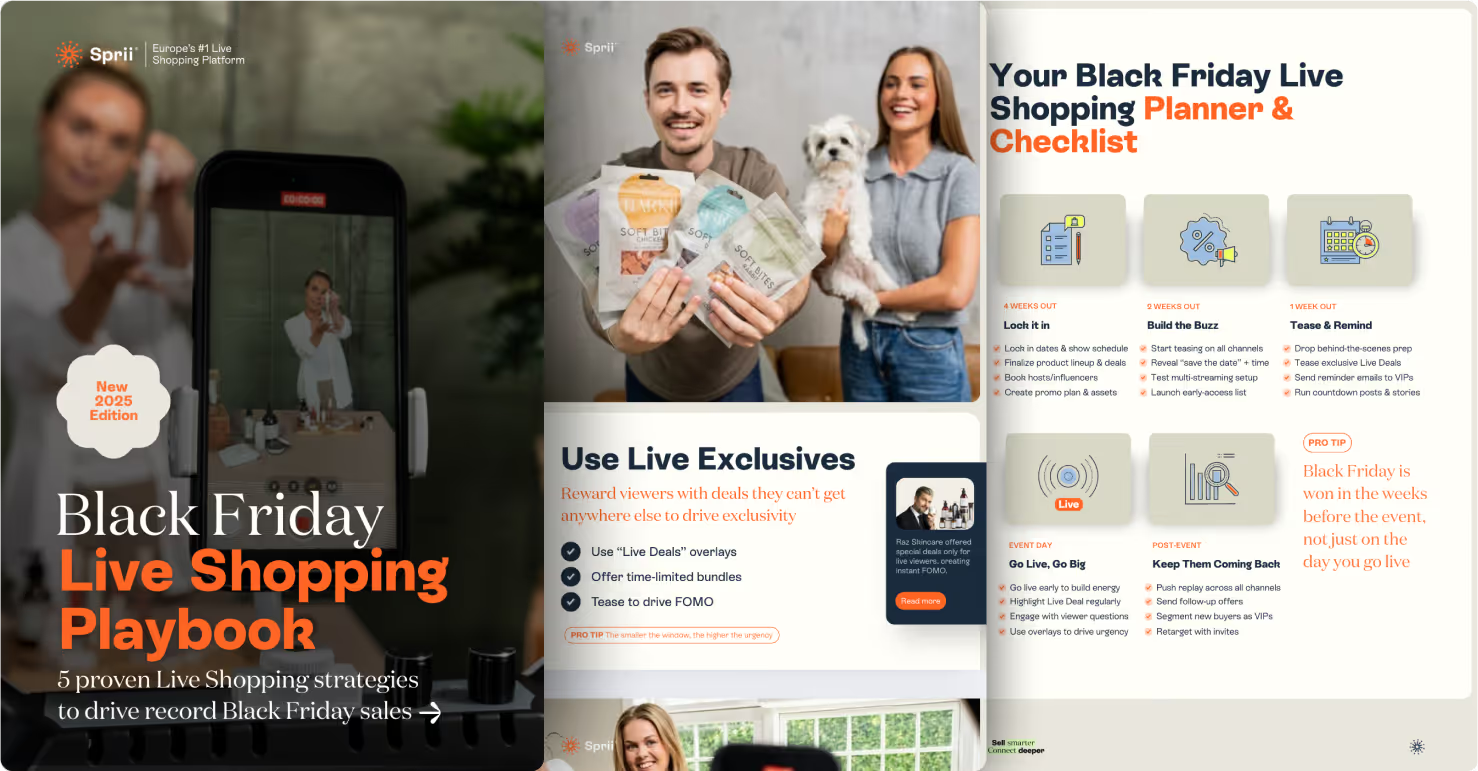
Win the retail rush with this playbook packed with Live Shopping strategies
.webp)
Learn how they compareand discover the 12 key industry benchmarks.
.webp)
BLACK FRIDAY WEBINAR
Learn how leading retailers leverage Live Shopping on Black Friday

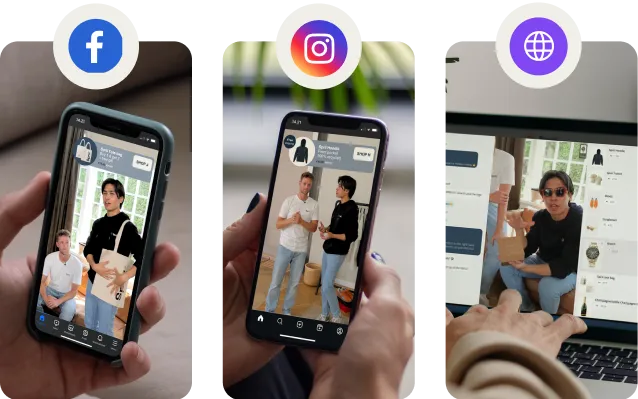
See how a Sprii-powered Live Shopping event works on FB, IG and your website
BLACK FRIDAY WEBINAR
Learn about 5 Live Shopping strategies to dominate Black Friday

Master Live Shopping—from audience targeting to driving sales.
5 proven plays to win Black Friday and Black Month with Live Shopping
in under 5 minutes
in under 5 minutes
See How Sprii Works
%201.avif)
See How Sprii Works
Inside Live Shopping
%201.avif)
Inside Live Shopping


.webp)

