Selling on Facebook Live - the complete guide
Facebook Live has transformed from a way to connect with followers into a powerful sales channel for retailers.
Instead of relying solely on static product pages and traditional online shopping experiences, businesses can now showcase products live, answer customer questions in real time, and create the kind of interaction that's difficult to achieve through a standard webshop.
%20(15).webp)

Quick Summary
Whether you're a fashion retailer launching a new collection, a beauty brand demonstrating skincare products, or a home and living store showcasing seasonal favourites, Facebook Live allows you to recreate many of the personal experiences customers expect from shopping in a physical store. Viewers can see products in action, ask questions, compare options, and make informed purchasing decisions without leaving the broadcast.
For businesses, this creates more than just engagement. Live selling helps build trust, strengthen customer relationships, and shorten the path from product discovery to purchase. Instead of asking shoppers to imagine how a product looks or works, you can show them in real time while addressing any questions or objections as they arise.
In this guide, you'll learn everything you need to know about selling on Facebook Live.
What is Facebook live selling and why is it so popular?
Facebook Live Selling is the process of selling products through live video broadcasts on Facebook. During a live stream, the Facebook live seller presents products, demonstrates how they work, answers questions from viewers, and encourages customers to buy while the broadcast is happening.
Unlike a traditional online store, Facebook Live creates a two-way shopping experience. Customers aren't limited to product photos and descriptions, they can ask about sizing, colours, features, or see a product demonstrated before deciding to buy. That real-time interaction helps answer questions that might otherwise prevent a purchase.
Many businesses also combine Facebook Live with live selling software to make the buying process easier. Instead of directing viewers to search for products on a webshop, these platforms can display products during the broadcast, automate orders through comments, and send customers directly to checkout.
Its popularity comes down to a simple shift in how people want to shop. Passive browsing is losing ground to interactive experiences where customers feel genuinely involved. Live selling on Facebook taps into an audience that is already on the platform, already engaged, and already open to discovery.
For brands, it turns an existing social following into a sales channel without requiring a separate app, a new audience, or a large production budget.
%20(400%20x%20150%20px)%20(3).webp)
Benefits from live selling on Facebook
For many retailers, Facebook Live is more than another marketing channel, it's a proven way to drive sales while creating a more engaging shopping experience. By combining live product demonstrations with real-time interaction, businesses can improve several key e-commerce metrics while building stronger relationships with their customers.
Higher conversion rates
One of the biggest advantages of Facebook Live is its ability to remove friction from the buying journey, often resulting in conversion rates up to 20x higher than traditional e-commerce. Customers can see products in action, ask questions, and receive immediate answers before making a purchase.
Whether they're unsure about sizing, materials, colours, or product features, the host can address concerns on the spot. This reduces hesitation and helps more viewers convert into customers.
Increased average order value
Live shopping creates natural opportunities to introduce complementary products and encourage larger purchases. Instead of presenting products in isolation, hosts can showcase complete outfits, product bundles, or accessories that work together. Limited-time offers and exclusive live deals also encourage customers to add more items to their basket before checking out—a strategy that helped Kattnakken grow basket value by 265%.
Lower return rates
Customers make better purchasing decisions when they have a clear understanding of what they're buying. Seeing products demonstrated from different angles, in real-life situations, and with honest explanations helps set realistic expectations.
As a result, many retailers experience return rates up to 10x lower compared to traditional online shopping.
Longer viewing times
Unlike most social media content, which is consumed in a matter of seconds, successful Facebook Live broadcasts often keep viewers engaged for much longer. This gives retailers more time to demonstrate products, answer questions, tell stories, and build trust throughout the shopping experience.
Better visibility in the Facebook algorithm
Facebook prioritises content that keeps people watching and encourages interaction, which is key to increasing your overall viewer reach. Live broadcasts naturally generate comments, reactions, and conversations, fostering the kind of real-time engagement that keeps viewers coming back.
These signals can increase the organic reach of your broadcast, helping it appear in more news feeds and introducing your brand to potential customers beyond your existing followers.
Increased revenue
Higher conversion rates, larger basket sizes, stronger engagement, and greater organic reach all contribute to one thing: increased revenue.
Many retailers make Facebook Live a recurring part of their sales strategy, using weekly or monthly broadcasts to launch new products, promote campaigns, and generate impressive sales statistics—a strategy that helped Power Sweden generate €270,000 in revenue in 20 min.
Build a loyal community
Perhaps the biggest advantage of Facebook Live isn't measured in a single broadcast. Regular live shows give customers a reason to return, not only to shop but also to interact with the host and other viewers.
Over time, these recurring broadcasts help build a loyal community that trusts your brand, engages with your content, and comes back for future events.
%20(400%20x%20150%20px)%20(2).webp)
How to set up Facebook Live for selling
There are two ways to sell products during a Facebook Live broadcast. You can either manage the entire process manually using Facebook's built-in features, or use a dedicated Live Shopping platform to automate the buying experience.
Selling on Facebook Live manually
The simplest way to get started is to go live from your Facebook Business Page using the mobile app or your computer.
Here it's important to note that you need a Facebook page that has at least a 100 followers, and that it needs to have been active more than 60 days.
During the broadcast, present your products, answer questions from viewers, and tell customers how they can place an order. Some businesses ask customers to send a direct message, while others ask them to comment with a product name, number, or keyword.
Once the live ends, you'll need to manage each order manually. That typically includes confirming what the customer wants to buy, checking stock availability, sending a payment link or invoice, and arranging shipping.
This approach works well if you're testing Facebook Live for the first time or selling a small number of products. However, as your audience grows, manually handling comments and orders quickly becomes time-consuming and increases the risk of missed sales.
Go Live from a Phone
- Open the Facebook mobile app and tap "What's on your mind?" at the top of your feed, or tap the "+" icon.
- Select "Live" or "Live video" from the list of post options.
- Allow camera and microphone permissions if prompted.
- Choose your audience privacy settings (Public, Friends, etc.).
- Type a description or add effects.
- Tap Go live to start broadcasting, and tap "finish" when done.
Go Live from a Computer
- Log in via a web browser and go to your profile, Page, or group.
- Click "Live video" or click "What's on your mind?" and choose "Live video" to open live producer.
- Select your video source: use your computer's Webcam or choose Streaming software if using an external encoder.
- Add a title and description for your broadcast.
- Click "Go live" in the bottom left, and click "End live video" when finished.
Selling on Facebook Live with a Live Shopping platform
If you plan to make Facebook Live a regular part of your sales strategy, a Live Shopping platform can automate much of the process.
.webp)
Instead of manually processing every order, products are connected directly to your live broadcast to create an instant cart for the customer. Customers simply comment with a product code or keyword, and the platform automatically creates their order and sends them a checkout link.
Inventory is updated in real time, helping to prevent overselling, while a robust e-commerce integration ensures orders are synced with your platform.
Platforms like Sprii also include features such as on-screen product overlays, flash sales, giveaways, analytics, and multistreaming, allowing you to broadcast to Facebook and your own website at the same time from a single live show.
By automating the operational side of Live Shopping and product management, your team can spend less time handling orders and more time engaging with viewers.
Scheduling a live selling broadcast
Scheduling your live broadcast in advance gives you time to build anticipation before you go live. Facebook creates an announcement post that people can interact with and choose to receive notifications for, while also giving you an opportunity to promote the event across your other marketing channels.
Try to announce your live stream event at least a couple of days in advance. Share it on Facebook and Instagram, include it in your email newsletter, and promote it on your website. The more people know about your live before it starts, the better your chances of attracting a strong audience from the very beginning.
Consistency is just as important. Broadcasting on the same day and at the same time each week helps create viewing habits and gives customers something to look forward to.
If you're using a Live Shopping platform like Sprii, you can also prepare much of the show before going live. Products, featured offers, flash sales, and automated messages can all be configured in advance, allowing your team to spend less time managing the broadcast and more time interacting with customers.
Facebook Live selling best practice
The strongest Facebook Live selling sessions share a few consistent habits. Successful Facebook Live selling starts before you press Go Live and continues after the broadcast ends. Here are some best practices to help you get the most out of every live session.
Before you go live
Good preparation sets you up for a successful live broadcast.
- Promote your live in advance so customers know when to tune in. Share it on Facebook, Instagram, email, SMS, and your website.
- Test your setup before every broadcast. Check your camera, microphone, lighting, and internet connection to avoid technical issues.
- Plan your show. Decide which products you'll feature, prepare exclusive offers, and define your call to action.
- Assign roles if you're working as a team. Decide who is presenting, answering comments, and managing orders.
- Decide whether to use a Live Selling platform like Sprii or to go live natively on the channel.
During the broadcast
The goal is to keep viewers engaged while making it easy to buy.
- Start on time and explain what viewers can expect.
- Introduce offers early to give people a reason to stay.
- Answer questions throughout the live and acknowledge viewers by name when possible.
- Repeat key messages as new viewers join the broadcast.
- Explain how to purchase regularly instead of mentioning it only once.
- Stay live long enough for viewers to discover your broadcast and join the conversation.
After the broadcast
Your live shopping event doesn't end when you stop streaming.
- Keep the replay available so customers can continue watching and shopping.
- Repurpose the content into shorter videos for social media, email, or your website.
- Review your performance by looking at watch time, engagement, sales, and viewer retention.
- Use what you've learned to improve your next live broadcast.
So to sum it up:
Product presentation strategies that convert viewers
The best Live Shopping shows don't simply present products one after another—they create anticipation, urgency, and reasons for viewers to stay until the very end.
Instead of revealing every offer immediately, structure your show around key moments. Introduce exciting products early to capture attention, build anticipation for your biggest product or offer throughout the live, and use exclusive promotions to reward viewers for watching. Combine this with live demonstrations that answer customer questions in real time, and you'll keep viewers engaged while increasing the likelihood they'll purchase before the show ends.
Here are five product presentation strategies that consistently drive higher engagement and conversion rates during Live Shopping events.
1. Offer live-only discounts
Give viewers access to exclusive prices that are only available during the live event. These offers reward people for showing up and create a clear incentive to buy immediately rather than waiting until later.
2. Highlight limited stock
Let viewers know when quantities are limited. Whether it's your final sizes, a limited production run, or products reserved exclusively for the live, scarcity encourages faster purchasing decisions and creates excitement as stock begins to sell out.
3. Demonstrate products live
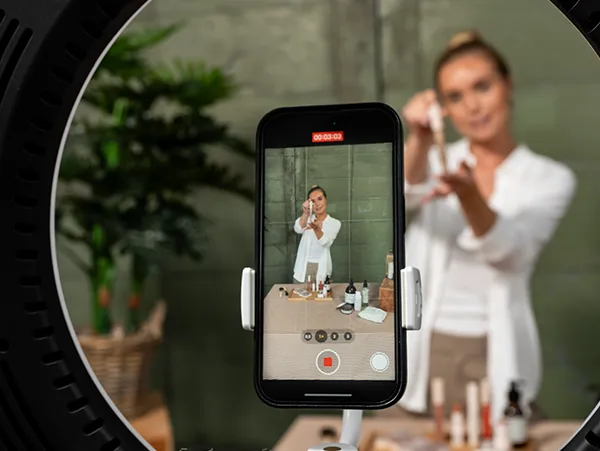
Show your products in action instead of simply describing them. Try them on, compare colours or sizes, perform live demonstrations, and answer questions as they come in. Seeing products used in real life builds trust, removes purchase hesitation, and helps customers feel more confident about buying.
4. Run flash sales
Introduce short, time-limited promotions throughout the show to create bursts of excitement. A visible countdown combined with a limited-time discount encourages immediate action while giving viewers another reason to stay engaged. Sprii's Flash Sale feature makes it easy to launch timed offers directly during your live stream.
5. Tease your hero product
Don't reveal your biggest product or best offer straight away. Instead, build anticipation by teasing it throughout the show and revealing it later. Giving viewers something to look forward to increases watch time and helps maintain engagement from beginning to end.
{{master-live-shopping-banner-beige}}
Engagement techniques that keep viewers watching
The most successful Live Shopping hosts don't just present products—they create conversations.
Every question, poll, giveaway, or shout-out gives viewers a reason to participate instead of simply watching. These small interactions keep people engaged, increase watch time, and generate more comments, all of which signal to platforms like Facebook that your live stream is worth showing to more people.
Here are seven simple but highly effective engagement techniques you can use throughout your live show.
1. Ask questions
One of the easiest ways to spark conversation is to ask your audience simple questions that anyone can answer.
Examples:
- Which colour would you choose?
- Who's shopping for Black Friday today?
- Where are you watching from?
- Have you tried this product before?
Even a single-word response increases engagement and encourages others to join the conversation.
2. Let viewers vote
Give your audience a say in what happens next. Whether they're choosing the next product, the next outfit, or which discount to unlock, voting makes viewers feel involved and gives them a reason to stay until the result is revealed.
Examples:
- Should we show the blue or the black version next?
- Which outfit should we style first?
- Vote A or B in the comments.
3. Answer questions live
Live Shopping gives customers the opportunity to ask questions before they buy—something traditional eCommerce can't offer. Responding in real time removes hesitation, builds trust, and helps viewers make purchasing decisions with confidence.
Examples:
- Does it fit true to size?
- Is it dishwasher safe?
- Can you show the inside?
- How does it compare to last year's model?
4. Run competitions and giveaways
A giveaway isn't just about giving away a prize—it's about creating participation. Instead of rewarding passive viewers, ask them to complete a simple action to enter.
Examples:
- Comment your favourite product.
- Guess the final price.
- Tag someone who would love this.
- Share the live stream to enter.
5. Use gamification
Turn shopping into entertainment by adding interactive challenges throughout the show. Gamified moments create excitement, increase comment activity, and encourage viewers to stay until the next surprise.
Examples:
- Hidden discount codes
- Mystery products
- Spin the wheel
- Treasure hunts
- Deal Jail
6. Give viewers a shout-out
Recognise your audience by responding to comments and mentioning viewers by name. This creates a stronger sense of community and encourages more people to join the conversation.
Examples:
- Hi Sarah! Great question.
- Michael just grabbed the blue one.
- Welcome back, Emma—great to see you again.
7. Tease what's coming next
Don't reveal everything at once. Build anticipation by regularly reminding viewers that the biggest reveal, best deal, or most requested product is still to come.
Examples:
- Don't go anywhere—our biggest discount is coming up next.
- We've saved our best-selling product for later.
- Stay until the end for an exclusive live-only surprise.
The more viewers interact, the longer they stay, and that's exactly what social media algorithms reward. More comments, reactions, and watch time increase the likelihood that platforms like Facebook will recommend your live stream to even more potential customers.
Sprii makes it easy to manage these interactions with a unified inbox that combines comments from Facebook and your website in one place, ensuring no question gets missed during busy broadcasts. Combined with built-in engagement tools, hosts can respond faster, encourage more participation, and keep the conversation flowing from start to finish.
From comment to checkout in one click
The gap between a viewer's impulse and a completed purchase is where most Facebook Live sales are lost. A viewer sees a product they want, and if they can't buy the product in the moment it's shown, the company ends up loosing out on possible revenue. This is a core problem that a Live Shopping platform fixes, by using automated comment selling and overlays.
Without a Live Shopping platform, selling on Facebook Live is a manual process. During the broadcast, viewers typically comment with the product they want to buy or send the business a direct message. From there, someone on the team has to read every comment, confirm the order, check inventory, send a payment link, and arrange shipping.
This approach works for smaller broadcasts, but it quickly becomes difficult to manage as your audience grows. Comments can arrive faster than your team can respond, products can sell out before inventory is updated, and customers may leave if they have to wait too long to complete their purchase.
A Live Shopping platform automates this process.
With Sprii's comment-to-buy functionality viewers simply comment a product code or keyword during the live , and the platform works by detecting a trigger keyword or product code in the comments and instantly sending the viewer a personalised checkout link via Messenger, with the item already reserved in their cart. The automated checkout process means no manual matching, no missed comments, and no overselling. Inventory levels, order details, and shipping information sync in real time across integrations with GLS, Shipmondo, and CoolRunner.
That means your team can focus on presenting products and engaging with viewers instead of matching comments to orders. It also reduces the risk of missed sales, overselling, and delayed checkouts during busy broadcasts.
Build a loyal audience that tunes in every time
Consistency is the single most reliable driver of growing Facebook Live viewership. Brands that go live on the same day at the same time each week train their audience to show up — and over time, that reliability compounds into a community rather than just a customer list.
Smaller retailers with a personal, authentic hosting style consistently outperform larger brands that broadcast infrequently, because viewers form a genuine connection with the host rather than the logo.
Practical retention tactics go beyond the broadcast itself. Tease upcoming products at the end of each show so viewers have a reason to return. Create a Facebook Group for your most engaged buyers — a space where they can discuss products, share purchases, and feel part of something. Repurpose the video replay across website and other social channels to extend the reach of every show beyond its original audience.
Sprii's real-time analytics show exactly where viewers drop off during a broadcast, which makes it straightforward to identify which segments lose attention and adjust the structure of future shows. Over time, that feedback loop produces tighter, more engaging live streams — and a more loyal audience as a result.
Explore more on optimizing your live sales to keep that growth on track.
Promoting a Facebook Live event
Scheduling a live broadcast is only half the work — getting people to show up requires deliberate promotion across every channel available. Start at least 48 hours in advance: post a reminder on your Facebook Page, share a countdown in Stories, send an email to your list, and pin a post in your Facebook Group if you have one. The more touchpoints, the higher the attendance at the start of the stream, which matters because early viewer numbers influence how aggressively the algorithm distributes the broadcast.
Meta's live video ads offer a paid route to extend your live broadcast beyond your existing followers. Running a short awareness campaign in the days before a scheduled show can bring in cold audiences who would not otherwise discover the stream organically.
Combine paid promotion with organic teaser content — short clips, product previews, or a behind-the-scenes look at what's coming — to build anticipation and give potential viewers a concrete reason to tune in.
Learn more about promoting your live shopping show in our Live Shopping Crash Course.
{{inside-live-shopping-banner-beige}}
Common Facebook Live selling challenges and how to solve them
The most frequently reported issues fall into three categories.
First, comment delays: Facebook Live can introduce up to ten seconds of lag between a viewer's comment and when it appears on the host's screen. Without the right tools, this means missed orders and frustrated buyers. Sprii's comment inbox buffers and organises incoming messages so every order is captured, even during high-volume moments.
Second, algorithm-driven viewer drops. Facebook's organic reach for business pages has declined over time, and a single algorithm update can noticeably reduce a show's audience. The most reliable counter is to reduce dependence on Facebook alone — multistreaming to your website simultaneously means your total audience is never entirely at the mercy of one platform's distribution decisions.
Third, order management chaos during busy shows. When comments arrive faster than a host can read them, manual tracking breaks down quickly. Automated cart assignment, real-time inventory tracking, and a unified dashboard make it possible to run a high-volume live broadcast without a separate team managing the back end. Before every show, test your connection, audio, and lighting — and have a backup device ready.
If something goes wrong on air, keep talking; viewers are far more forgiving of technical hiccups than dead air.
Using a live selling tool for added value
How to sell on Facebook Live is a question with a straightforward answer at the surface — go live, show products, take orders. But how to sell live on Facebook in a way that scales, converts consistently, and doesn't overwhelm a small team is a different challenge entirely. That's where live selling software makes the difference.
Sprii brings together multistreaming, comment-to-buy automation, real-time inventory sync, pre-show configuration, and post-show analytics in a single platform built specifically for retail teams. There's no agency required, no technical setup to manage, and no separate system for each channel. It connects directly to your existing online store and shipping providers, so the transition from a casual live stream to a structured, repeatable sales channel is as straightforward as it gets.
For brands looking to go further, Sprii's resources on professional live selling techniques and guidance on how to sell clothing on Facebook Live offer practical starting points across specific verticals. The platform is trusted by over 3,000 brands across Europe — and the results speak clearly in every case study.
Frequently asked questions
Can I sell stuff on Facebook Live?
Yes — any business with a Facebook Page can sell products during a live broadcast. The most effective method is comment-to-buy selling, where viewers comment a keyword or product code to claim an item and receive an automated checkout link via Messenger. To manage this at scale without manual effort, most serious sellers use a live shopping platform like Sprii, which automates comment matching, cart creation, inventory updates, and order processing in real time.
What are the drawbacks of live selling on Facebook?
The main challenges are comment delays of up to 10 seconds making real-time order management difficult, Facebook's algorithm changes reducing organic reach for business pages, and the operational complexity of managing orders, inventory, and customer messages simultaneously during a broadcast. Without dedicated software, hosts often miss comments, oversell stock, or lose buyers who can't find a checkout link quickly enough. A platform like Sprii addresses all three issues with automated comment-to-buy flows, a unified inbox, and real-time inventory sync.
How long should a Facebook Live selling session be?
The most-watched Facebook Live sessions run for at least one hour. Longer streams give the algorithm more time to surface your broadcast to new viewers and give your existing audience time to join after seeing a notification. Structure the session with a hook in the first five minutes, consistent product reveals throughout, and a high-value offer or giveaway toward the end to retain viewers who joined late.
How often should I go live on Facebook to grow my audience?
Consistency matters more than frequency. Going live on the same day at the same time each week builds habitual viewing behaviour — your audience learns when to expect you and plans around it. Daily broadcasts can accelerate growth but risk burnout for the individual Facebook live seller. Start with a weekly schedule, optimise your format based on analytics, and increase frequency once you have a reliable production routine in place.
How do I handle orders during a Facebook Live without missing any?
Managing orders manually during a live broadcast — reading every comment, noting product requests, and sending checkout links — is nearly impossible at scale. A live shopping platform like Sprii automates the entire flow: when a viewer comments a trigger keyword, the platform instantly reserves the product, creates a cart, and sends the buyer a personalised checkout link via Messenger. Inventory updates in real time so you never oversell, and all orders are visible in a single dashboard during and after the show.
Why are my Facebook Live viewer numbers dropping?
Viewer drops are most commonly caused by Facebook algorithm changes that reduce organic reach for business pages, inconsistent broadcast schedules, or low engagement rates during streams. To recover reach: prioritise comment and reaction velocity by asking direct questions and running interactive mechanics like polls or lucky draws; broadcast on a fixed schedule so followers anticipate your shows; and consider multistreaming to your website simultaneously so you're not entirely dependent on Facebook's algorithm for visibility. Sprii's analytics help identify where viewers drop off so you can adjust your content structure.
Can I stream a Facebook Live to my website at the same time?
Yes — multistreaming lets you broadcast simultaneously to Facebook and your own website from a single setup. This is one of Sprii's core features: a single live show reaches your Facebook audience and your website visitors at the same time, with shoppable product links active on both channels. This reduces your dependence on any single platform's algorithm and typically increases total viewership and order volume per show.
{{demo-banner-dark}}
Use our Live Shopping calculator to see how much you could earn.

you could possibly earn
you could possibly earn
Unleash the power of Live Shopping with Sprii's 5-part bootcamp series!
%201.webp)
Win the retail rush with this playbook packed with Live Shopping strategies
.webp)
Learn how they compareand discover the 12 key industry benchmarks.
.webp)
BLACK FRIDAY WEBINAR
Learn how leading retailers leverage Live Shopping on Black Friday

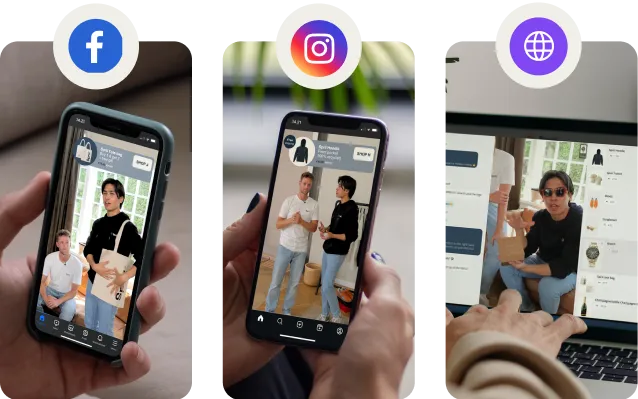
See how a Sprii-powered Live Shopping event works on FB, IG and your website
BLACK FRIDAY WEBINAR
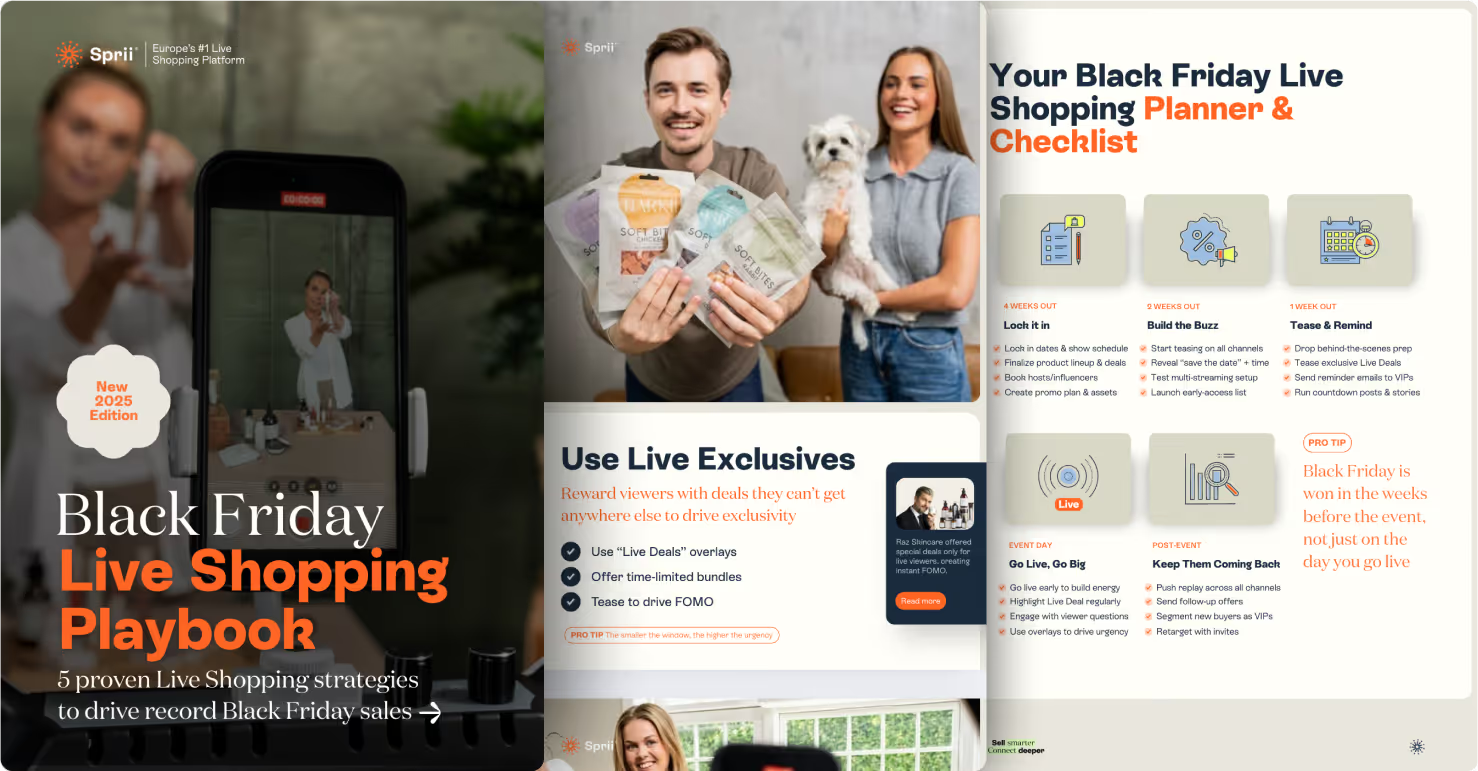
Learn about 5 Live Shopping strategies to dominate Black Friday

Master Live Shopping—from audience targeting to driving sales.
5 proven plays to win Black Friday and Black Month with Live Shopping
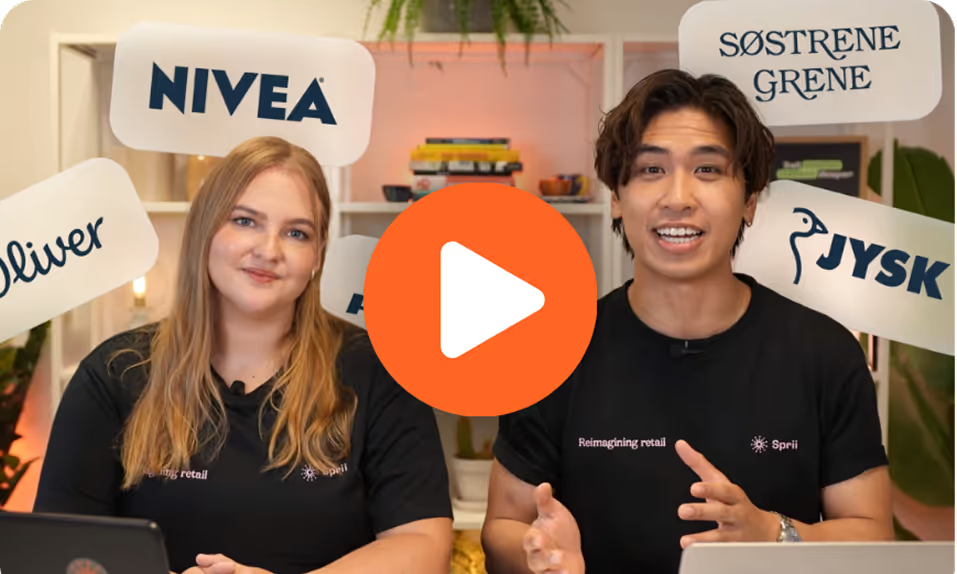
in under 5 minutes
in under 5 minutes
See How Sprii Works
%201.avif)
See How Sprii Works
Inside Live Shopping
%201.avif)
Inside Live Shopping
%20(8).webp)


%2520(1).webp)
.avif)
.webp)
.webp)

